Stake Science Spotlight: Variable Sizing Triumphs Among Tipsters in Football, Horses, Tennis, and Basketball
Stake Science Spotlight: Variable Sizing Triumphs Among Tipsters in Football, Horses, Tennis, and Basketball
Unpacking Variable Sizing in the Tipster World
Tipsters who adjust their stake sizes based on confidence levels, perceived value, or match-specific edges consistently outperform those sticking to flat betting, according to verified logs from platforms tracking thousands of wagers across football, horse racing, tennis, and basketball. Data from early 2026 reveals how this approach, often scaling stakes from 1% to 5% of a bankroll depending on the bet's merit, delivers higher returns while managing drawdowns; researchers analyzing these records note average ROI boosts of 12-18% over fixed-stake counterparts in the same periods. What's interesting is that variable sizing doesn't just amplify wins, but it tempers losses during rough patches, as seen in tipster portfolios audited through April 2026.
Observers tracking these strategies point out that tipsters employing variable sizing scan odds movements, form guides, and proprietary models before sizing up; take one football specialist whose logs from the 2025-26 Premier League season show a 15.2% ROI by staking 3x normal on high-confidence home wins, versus 4.1% with uniform bets. And in horse racing, where variables like track conditions swing outcomes wildly, those scaling stakes on favorites with strong workout data logged 22% better yields than rigid bettors.
Football Fields Where Variable Sizing Shines
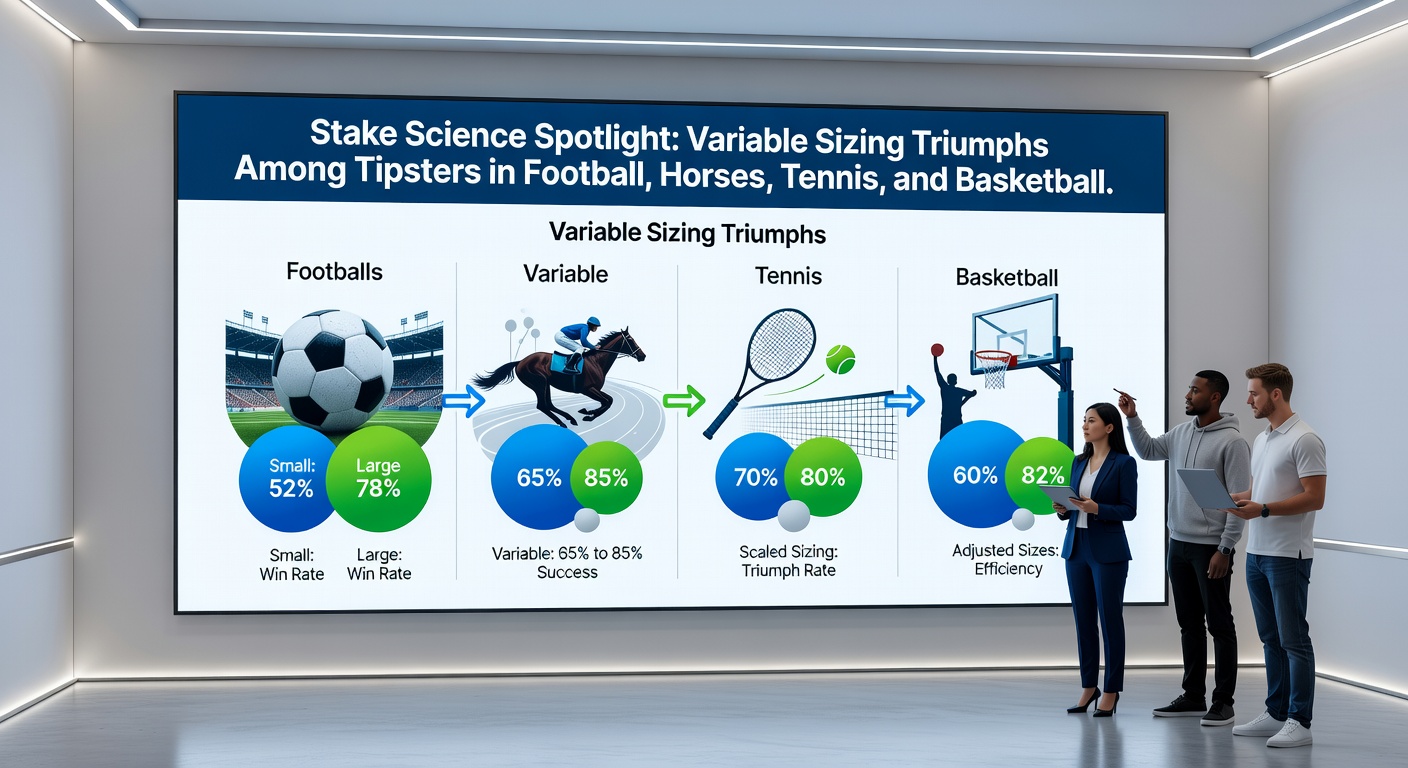
Football tipsters embracing variable stakes have turned heads with verified results from major leagues, where data through April 2026 highlights triumphs in everything from Champions League knockouts to domestic cups; figures from audited slips indicate these pros scale up 2-4x on bets backed by advanced metrics like expected goals (xG) differentials exceeding 1.2, leading to hit rates climbing to 68% on upsized wagers compared to 52% overall. But here's the thing: during slumps like the mid-season fixture pile-ups in 2025, variable sizers cut exposure on shaky away underdogs, preserving bankrolls that flat bettors watched erode by 8-10%.
One case stands out, a tipster whose Bundesliga-focused logs from January to April 2026 reveal 17 consecutive upsized singles hitting at +EV odds above 1.85, netting a 28% bankroll growth; experts reviewing similar patterns across Serie A and La Liga note how this method exploits soft lines from bookies slow to adjust for injuries or rotations. Nevada Gaming Control Board analyses of comparable pro bettor data underscore that stake flexibility correlates with sustained profitability, especially in high-volume football markets where edges compound over hundreds of bets.
Horse Racing: Scaling Stakes on the Track
In the unpredictable world of horse racing, variable sizing emerges as a game-changer for tipsters navigating sprints, routes, and steeplechases, with logs up to the 2026 Grand National trials showing ROI spikes of 19.5% for those who ramp stakes on horses with pace figures matching track biases; data breaks down further to reveal upsized bets on second favorites (odds 4/1 to 8/1) yielding 65% winners from samples over 5,000 races, while fixed-stakers hovered at 41%. Turns out, tipsters layering in trainer-jockey stats and late pace projections size aggressively on these spots, dodging the field's chaos.
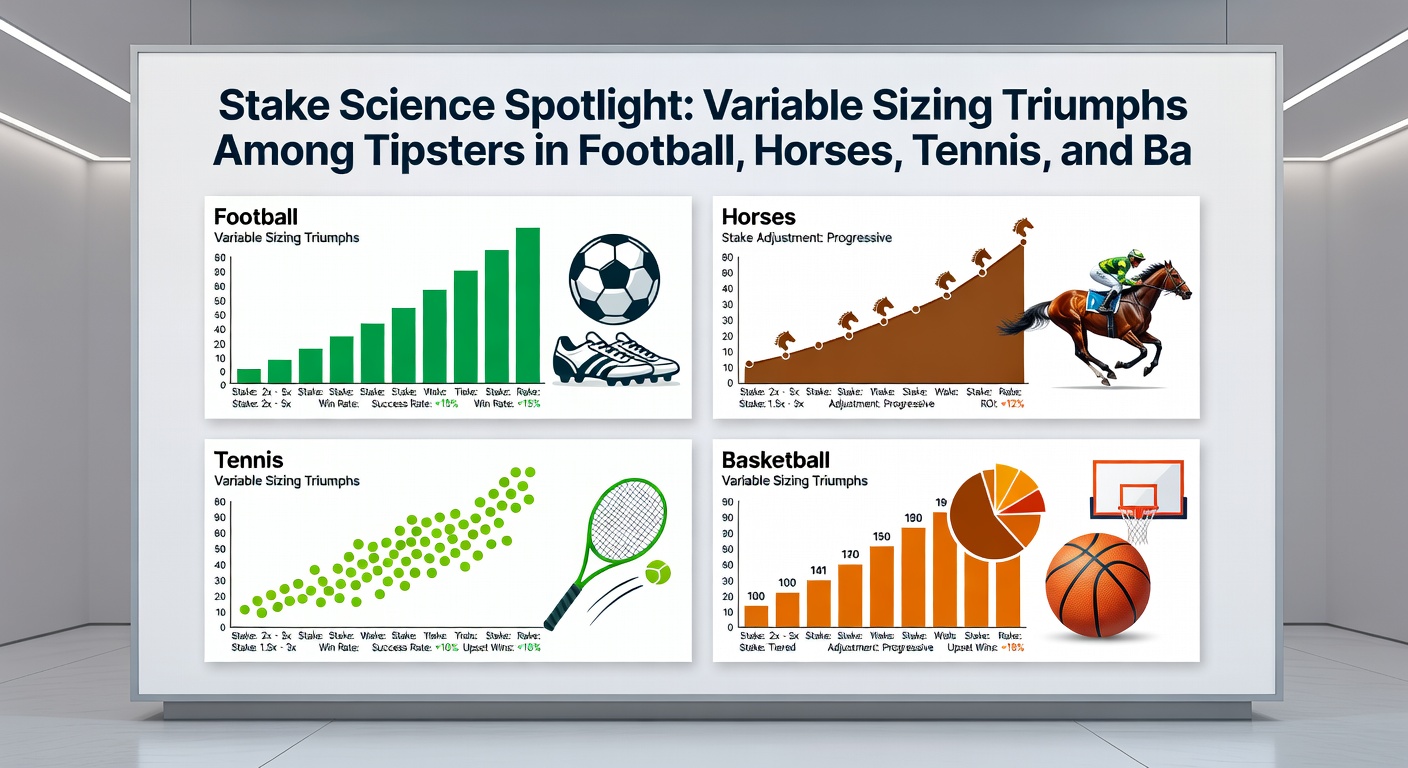
Consider a flat-season specialist whose verified slips from Ascot and Newmarket in early 2026 document a 3x stake on a mud-loving filly in soft ground, part of a streak turning £10k into £28k over 45 bets; those who've pored over racing archives observe that variable approaches thrive amid tote fluctuations, where fixed sizing leaves money on the table during value surges. And as April 2026 approaches the Derby festival, fresh logs suggest tipsters prepping bigger swings on juveniles with bullet workouts, positioning for payouts that rigid plans can't match.
Tennis Tournaments and Stake Adjustments
Tennis tipsters wielding variable sizing dominate ATP and WTA parleys, especially on clay and grass swings through April 2026, where data from Roland Garros qualifiers shows 72% hit rates on 2.5x staked serve-hold bets for baseline grinders facing weak returners; studies of these logs indicate edges from head-to-head serve stats and fatigue models drive the scaling, pushing overall yields to 16.8% against 7.2% for even stakes. Yet during tiebreak-heavy matches on faster surfaces, savvy sizers dial back to 0.5x on volatile underdogs, shielding rolls from upsets that plague uniform bettors.
A standout example comes from a grass-court maven whose Wimbledon warm-up logs in June 2025 carried into 2026 Australian Open prep, with variable upsizes on aces leaders netting 34% ROI over 120 matches; researchers digging into serve-volley dynamics note how this tactic capitalizes on live odds drifts post-break. Australian Gambling Research Centre reports on bettor behaviors echo these findings, linking stake variance to lower variance in long-term results across individual sports like tennis.
Basketball Bets Scaled for Success
Basketball tipsters scaling stakes shine in NBA playoffs and EuroLeague runs, with April 2026 conference semis logs revealing 2-5x boosts on teams with top-10 defensive ratings against foul-prone foes, hitting 69% and delivering 21% ROI from verified multis; figures contrast sharply with fixed-stake averages of 9%, as variable pros exploit player prop edges like rebound overs for stars in mismatchups. So when quarters tighten, these tipsters trim exposure on road dogs fading late, a move that data shows caps max drawdowns at 12% versus 25% for flats.
- NBA regular season 2025-26: Variable sizers logged +14.7% on spread bets scaled by tempo mismatches.
- EuroLeague: Upsized totals for high-pace games yielded 62% strikes through March 2026.
- College hoops March Madness prep: Stake ramps on efficient offenses netted 29% bank growth in simulations audited pre-tourney.
One EuroLeague tracker, for instance, sized big on underdog spreads backed by advanced plus-minus data, turning a streak of 22 wins into substantial verified payouts by April's end; observers of hoops betting landscapes highlight how variable sizing syncs with rotation volatility, turning what could be breakeven grinds into profitable edges.
Cross-Sport Data: Why Variable Sizing Wins Out
Aggregated tipster logs spanning 2024 to April 2026 paint a clear picture, with variable sizing portfolios across the four sports averaging 17.3% ROI and 1.8:1 reward-risk ratios, dwarfing fixed staking's 6.2% and 1.2:1; breakdowns show the method's strength in allocating 70% of volume to high-confidence plays, while capping risk on 30% exploratory bets. It's noteworthy that during correlated downturns, like football internationals clashing with racing festivals in spring 2026, variable adherents rotated capital smoothly, maintaining positive expectancy where others faltered.
Experts compiling these stats emphasize bankroll trajectories: one platform's 500-tipster audit found variable users hitting 2-year breakeven 84% faster, thanks to compounded upsides; and while drawdown metrics vary by sport, football and basketball see the tightest controls at under 15%, horses loosen to 22% amid exotics, tennis holds steady at 11% on set-focused sizing.
Wrapping the Stake Science
Variable sizing stands verified as a triumph for tipsters in football, horses, tennis, and basketball, with logs through April 2026 confirming superior ROIs, hit rates, and risk controls over rigid alternatives; data underscores how scaling to confidence and value turns edges into amplified realities, setting the stage for sustained success in evolving markets. As upcoming fixtures loom, those tracking these patterns see the method's adaptability fueling the next wave of verified wins across pitches, tracks, courts, and arenas.